

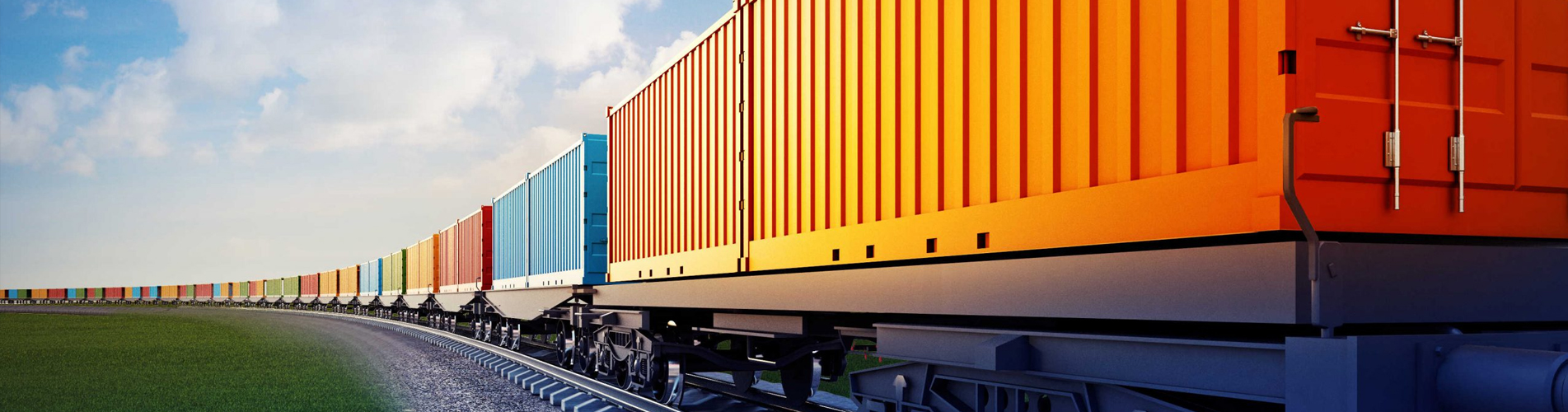
En mars dernier, nous avons mené à bien un projet de logistique matérielle qui illustre parfaitement ce que le transport par camion TIR peut faireLa mission : transporter 22 tonnes de quincaillerie de construction de Handan (province du Hebei) à Ielabouga (Russie). Distance ? Près de 8 000 kilomètres. Durée du transport ? Onze jours.
Il ne s'agissait pas d'une simple livraison. C'était le genre de transport de matériel qui met à l'épreuve chaque aspect de la logistique. Le client, un fournisseur russe de matériaux de construction, avait besoin de sa livraison dans les délais impartis. Son projet à Ielabouga en dépendait.
Voici comment nous avons procédé, ce qui a été pris en compte dans la planification et pourquoi le transport routier international TIR a fait toute la différence.
Soyons clairs. La quincaillerie paraît simple. Ce ne sont que des pièces métalliques, n'est-ce pas ? Boulons, supports, fixations, outils. Mais l'expédition de quincaillerie depuis… Chine à Russie comporte de véritables défis.
Premier problème : le poids et la densité. La quincaillerie est lourde. Vingt-deux tonnes de produits en acier mettent à rude épreuve les véhicules, les essieux et les systèmes de suspension. On ne peut pas simplement les charger dans n’importe quel camion et espérer que tout se passe bien. La répartition de la charge est essentielle. Une mauvaise répartition peut entraîner des dommages, non seulement au chargement, mais aussi au véhicule lui-même.
Deuxième problème : le risque de dommages. Le matériel se déplace pendant le transport. Lorsque le métal heurte le métal à répétition sur plus de 8 000 kilomètres, des problèmes surviennent : rayures superficielles, pièces tordues, filetages de boulons endommagés. Le client n’achetait pas de la ferraille ; il avait besoin d’un produit prêt à l’emploi dès sa réception.
Troisième problème : les retards douaniers. Tous ceux qui ont déjà travaillé dans la logistique en Russie connaissent ces histoires. Des camions bloqués des jours aux postes frontières. Des problèmes administratifs. Des inspections de cargaison interminables. Pour le transport de matériel informatique, les retards se traduisent par des clients insatisfaits et des délais non respectés.
Quatrième problème : la destination finale. Ielabouga n’est ni Moscou ni Saint-Pétersbourg. Elle se situe au Tatarstan, à environ 200 kilomètres à l’est de Kazan. Pour s’y rendre, il ne suffit pas de franchir la frontière ; il faut faire appel à un prestataire logistique connaissant les routes régionales russes.
Le client avait déjà tenté d'expédier du matériel par voie ferroviaire. Le transport avait pris 28 jours et le matériel était arrivé visiblement endommagé par les multiples transbordements. Il lui fallait une solution plus rapide.
Nous avons proposé le Transport routier international TIRNon pas parce que c'est sophistiqué ou nouveau – cela existe depuis 1975 en vertu des règles de l'ONU –, mais la livraison de matériel informatique par la Chine à la Russie permet de résoudre des problèmes majeurs.
Voici ce que TIR vous offre :
Un seul camion. Une seule équipe de chauffeurs. Un seul dossier administratif du début à la fin. Aucun déchargement aux frontières. Aucun transbordement de marchandises. Aucune inspection nécessitant l'ouverture de scellés ou de cartons.
Pour notre transport de Handan à Yelabuga, cela a eu une importance capitale. Le matériel a quitté l'entrepôt de notre client dans la province du Hebei et a poursuivi son transport sans interruption jusqu'à son arrivée au quai du destinataire au Tatarstan.
Permettez-moi de vous expliquer le déroulement concret de l'opération de transport.
Nous avons expédié un camion certifié TIR à l'entrepôt de l'expéditeur à Handan. Le véhicule avait passé l'inspection deux jours auparavant : freins, pneus, éclairage, groupe frigorifique (non requis pour le matériel, mais faisant partie de notre liste de contrôle standard) et plaques de certification TIR.
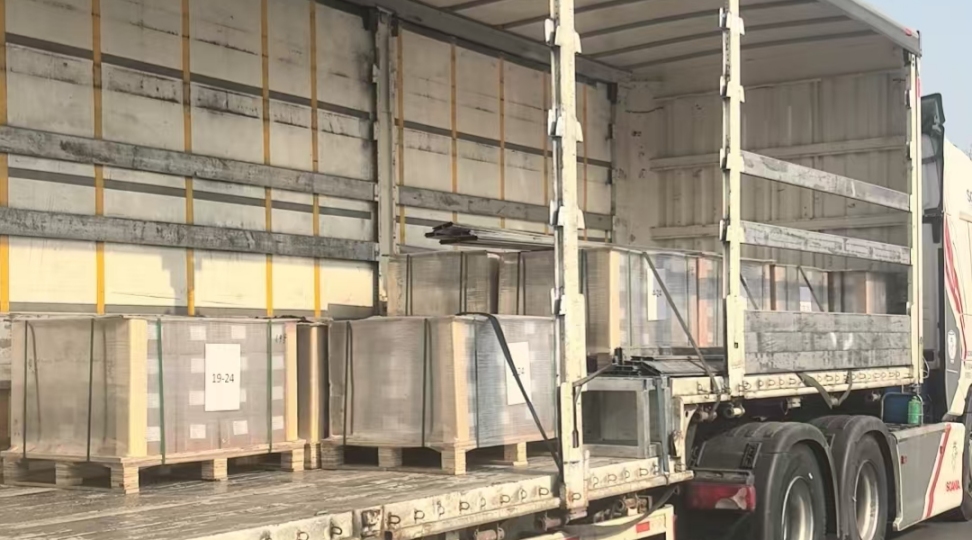
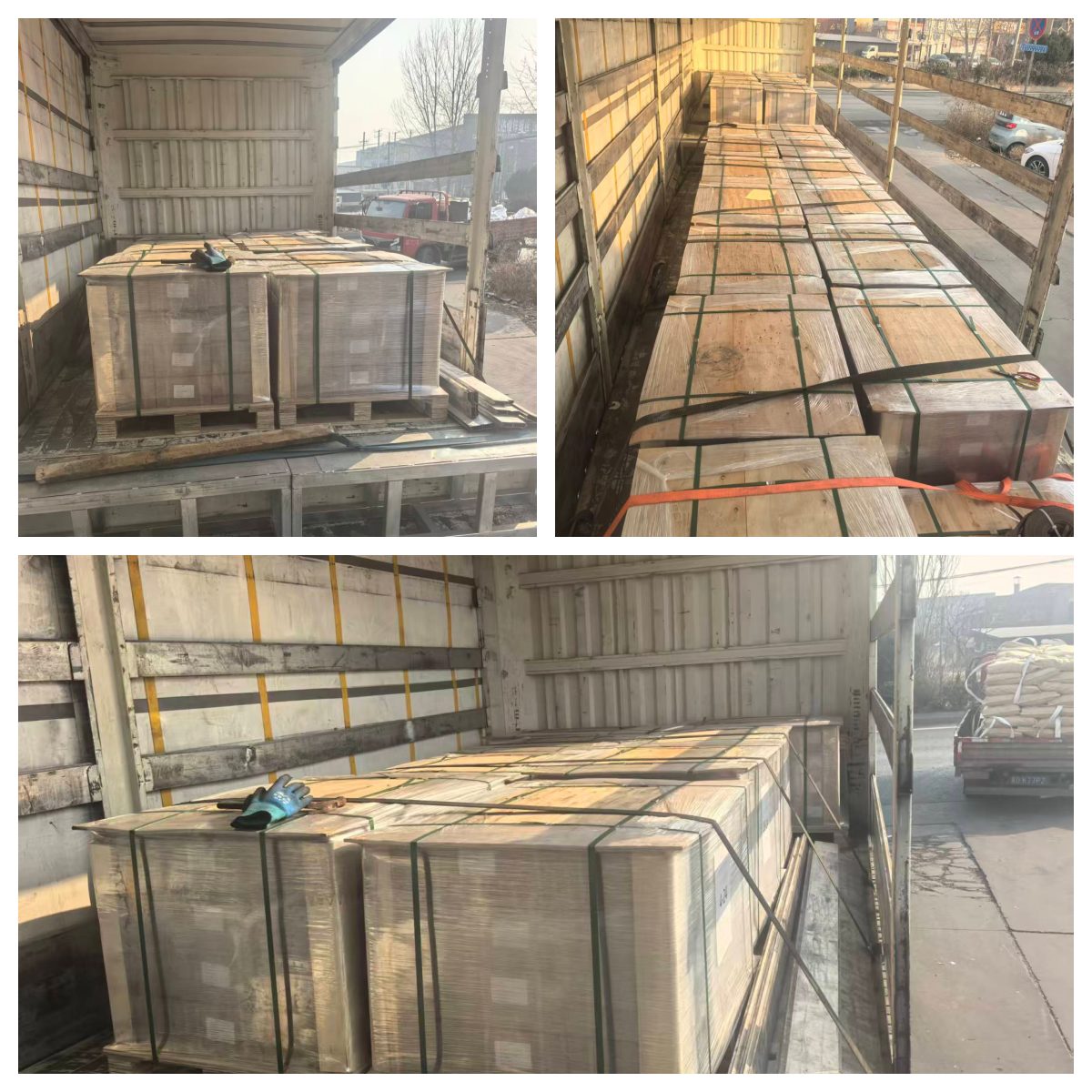
Le chargement a pris six heures. Pourquoi si longtemps ? Parce que nous avons sanglé et calé chaque palette. Le matériel se déplace pendant le transport, nous avons donc utilisé :
Sangles à cliquet robustes, capacité de charge de 5 tonnes chacune
Protections de bord pour éviter les dommages aux sangles
Placer des sacs de calage entre les palettes pour empêcher leur mouvement.
Chaque emballage individuel est emballé sous film rétractable.
Objectif : aucun mouvement à l’intérieur de la remorque. Aucun contact métal sur métal ne doit avoir lieu pendant 8 000 kilomètres.
Le camion a été acheminé vers un entrepôt sous douane près de Handan. Les douaniers ont inspecté les documents de chargement, vérifié le carnet TIR et apposé des scellés mécaniques sur les portes de la remorque.
Voici le point essentiel concernant le TIR : une fois les scellés apposés, personne ne les ouvre avant l’arrivée au bureau de douane de destination, sauf en cas d’anomalie manifeste. La cargaison est considérée comme « fiable » grâce au système de garantie international du TIR.
Le dédouanement a pris trois heures. Le camion était prêt à partir.
La distance entre Handan et Manzhouli est d'environ 2 500 kilomètres. L'itinéraire : vers le nord en passant par Pékin, puis vers l'ouest en direction de la Mongolie-Intérieure. Nos chauffeurs travaillaient par roulement : deux chauffeurs qualifiés par camion, alternant conduite et repos.
Le véhicule a bien roulé. Les autoroutes chinoises sont excellentes. Des autoroutes à péage jusqu'à la frontière.
C’est là que le TIR fait vraiment ses preuves. La frontière sino-russe à Manzhouli peut être chaotique. Des centaines de camions y sont bloqués. Plusieurs organismes sont impliqués. Le transport traditionnel y passe souvent de 3 à 5 jours.
Notre camion TIR s'est engagé sur la voie réservée. La police des frontières chinoise a contrôlé les passeports et visas du chauffeur. Les douanes ont vérifié que les scellés correspondaient aux documents du carnet TIR. Aucune inspection de la cargaison. Aucun déchargement. Aucune attente pour le traitement des formalités administratives.
Temps total passé à la sortie chinoise : 2 heures.
Du côté russe (Zabaïkalsk), la même procédure s'est répétée. Les douanes russes ont contrôlé le carnet TIR, vérifié les scellés et laissé passer le camion. Pas de radiographie. Pas d'inspection visuelle. Aucune question sur le contenu.
Durée totale à l'entrée russe : 1,5 heure.
Comparez cela aux camions non équipés du système TIR qui patientent des jours durant. Voilà l'avantage TIR en action.
La distance entre Zabaïkalsk et Ielabouga est d'environ 5 000 kilomètres. L'itinéraire : traverser la Sibérie vers l'ouest, passer par Irkoutsk, longer Novossibirsk, traverser l'Oural et entrer au Tatarstan.
Les routes russes sont inégales. Certaines portions sont d'excellentes autoroutes fédérales, d'autres nécessitent des travaux. Nos chauffeurs connaissaient l'itinéraire grâce à leur expérience en logistique en Chine. Ils avaient prévu des arrêts pour faire le plein près de stations-service fiables et emportaient des pièces de rechange (courroies, ampoules, fusibles) par précaution.
Le matériel est resté intact. Les sangles ont tenu bon. Les palettes n'ont pas bougé.
Le camion est arrivé dans les locaux du client à Yelabuga à 9 h, heure locale. Le destinataire avait du personnel prêt à décharger. Les agents des douanes du bureau local sont arrivés pour ouvrir le conteneur et vérifier que la cargaison correspondait au carnet TIR.
Tout était conforme. Chaque palette. Chaque carton. Le client a signé le bon de livraison. Mission accomplie.
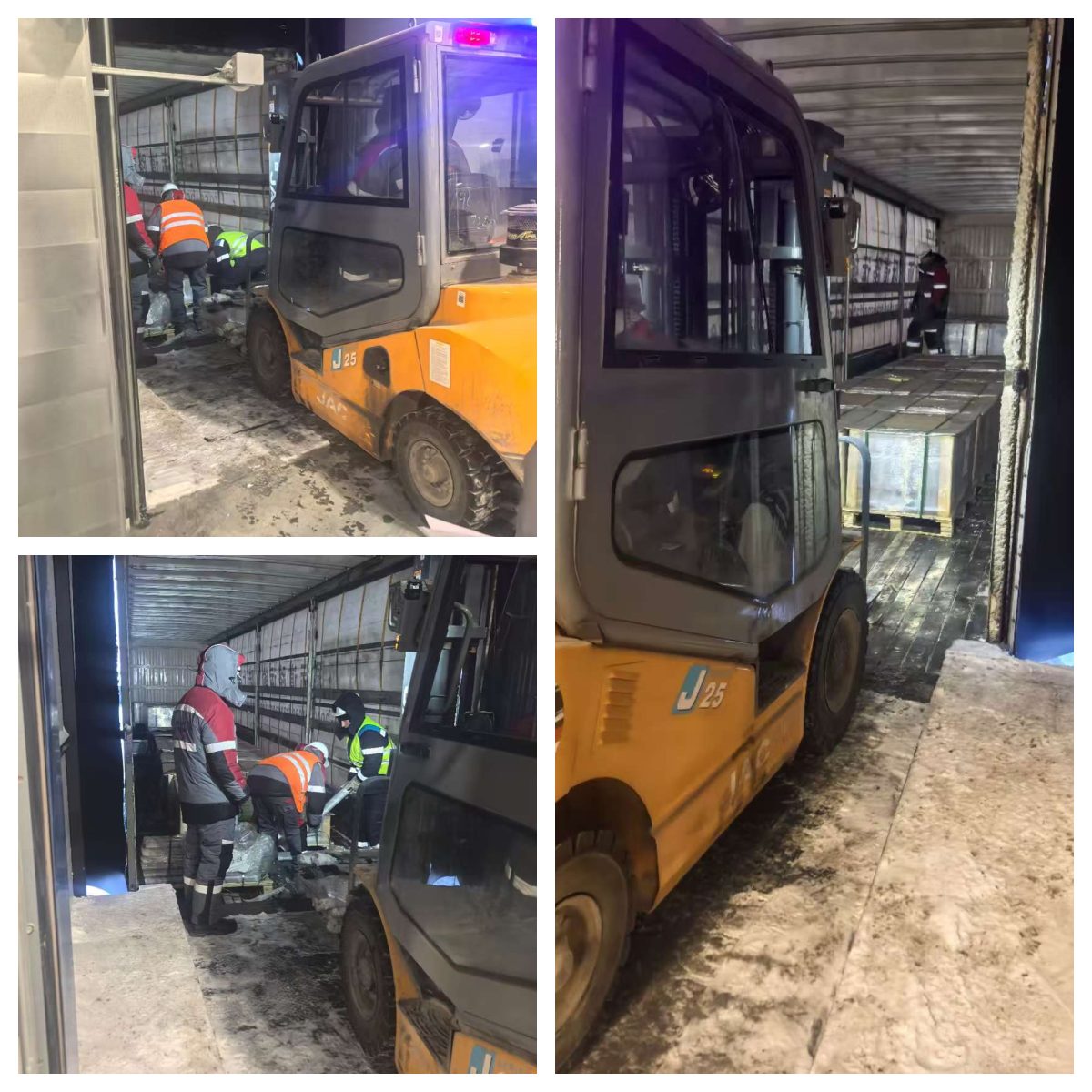
Délai entre le quai de chargement de Handan et le quai de réception de Yelabuga : 11 jours. Distance totale : environ 7 800 kilomètres. État de la cargaison : neuve, sans dommage ni article manquant.
Si vous travaillez dans la logistique, vous voulez connaître les détails techniques. Les voici.
combinaison tracteur-remorque certifiée TIR
Poids brut maximal : 40 tonnes
Charge utile : 22 tonnes de matériel
Type de remorque : semi-remorque bâchée avec plancher renforcé
Carnet TIR délivré par l'association membre de l'IRU de Chine
Facture commerciale (6 exemplaires)
Liste de colisage avec poids détaillés
Carnet TIR (document unique couvrant tous les pays de transit)
Lettre de transport CMR
Certificat d'assurance (couverture des marchandises : 120 % de la valeur déclarée)
Passeports de chauffeur avec visas russes
Immatriculation et assurance du véhicule
Nous avons opté pour le point de passage de Manzhouli car il s'agit de la voie terrestre la plus directe entre la Chine et la Russie pour le transport de marchandises à destination de l'ouest de la Russie. D'autres options, comme Khorgos ou Alashankou, sont envisageables pour l'Asie centrale, mais pour Ielabouga, la route du nord est la plus courte.
Nous avons utilisé deux conducteurs pour assurer un transport continu. La réglementation russe impose des temps de repos, mais grâce à nos deux conducteurs qualifiés, le camion a pu continuer à rouler pendant que l'un d'eux dormait. Cela nous a permis de gagner au moins deux jours par rapport à un transport effectué par un seul conducteur.
Nous avons réservé le chargement retour avant le départ. Le camion a chargé des matières premières à Kazan pour un fabricant chinois et est revenu par le même itinéraire. Cela a permis de réduire les coûts et d'optimiser l'ensemble de l'opération de transport.
Après ce projet, je peux vous expliquer précisément pourquoi le transport par camion TIR est une solution judicieuse pour les expéditions de matériel.
Le matériel n'aime pas être manipulé. À chaque chargement et déchargement, il est sujet aux chocs, aux chutes et aux rayures. TIR élimine les transbordements. Un seul chargement au départ, un seul déchargement à destination. Le reste du trajet se fait simplement sur l'autoroute.
Le transport ferroviaire peut prendre de 4 à 6 semaines jusqu'en Russie. Le transport maritime nécessite plus de 60 jours, auxquels s'ajoute le transport ferroviaire depuis les ports d'Extrême-Orient. Le fret aérien est extrêmement coûteux. Le transport routier TIR ? Deux semaines ou moins, de porte à porte, avec des délais fiables.
Notre trajet de Handan à Yelabuga a duré 11 jours. Le client savait précisément quand planifier le déchargement par son équipe. Ce type de prévisibilité est essentiel pour les projets de construction.
Le système TIR a été créé précisément pour résoudre les problèmes de retards aux frontières. En vertu de la Convention TIR des Nations Unies, les autorités douanières s'appuient sur ce système de garanties internationales plutôt que d'inspecter chaque camion. Pour les échanges commerciaux entre la Chine et la Russie, où les passages de frontière peuvent immobiliser une semaine entière, le système TIR change la donne.
Les opérateurs TIR modernes utilisent le suivi GPS avec scellés électroniques. Nous savions exactement où se trouvait ce camion à chaque instant. Le client pouvait se connecter et suivre le déplacement de son matériel à travers la Sibérie. Aucune zone d'ombre. Aucune incertitude.
Pour le matériel lourd mais dont la livraison n'est pas urgente, le transport par camion (TIR) offre le meilleur compromis. Plus cher que le transport ferroviaire, il est cependant beaucoup plus rapide. Il est nettement moins coûteux que le fret aérien. Le coût par tonne est avantageux, surtout si l'on tient compte de la réduction des coûts de stockage grâce à une livraison plus rapide.
Si vous expédiez du matériel informatique de Chine vers la Russie, voici ce qui compte d'après notre expérience.
L'emballage n'est pas optionnel.
Les fabricants de quincaillerie ont souvent tendance à sous-emballer leurs produits. Ils pensent que « ce n'est que du métal » et jettent les pièces dans des cartons. Pour un transport national, ça passe. Mais pour 8 000 kilomètres à travers deux pays ? C'est inacceptable.
Nous insistons sur :
Emballage individuel pour les surfaces finies
Charges palettisées avec des hauteurs de pile constantes
Bandes qui ne se desserrent pas lors des changements de température
Protection contre l'humidité (la condensation se produit dans tous les climats)
Les palettes de quincaillerie peuvent peser jusqu'à 1,5 tonne chacune. Un mauvais empilage risque d'endommager les palettes inférieures. Nous planifions le chargement en fonction du poids des palettes et de l'ordre de déchargement à destination.
Les descriptions des pièces métalliques figurant sur les documents douaniers doivent être parfaitement identiques. Pour les douaniers, « supports en acier » et « supports en acier galvanisé » sont deux choses différentes. Soyez précis : cela permet d’éviter les retards.
Les itinéraires d'hiver diffèrent de ceux d'été. Certaines portions des routes sibériennes sont fermées pendant la fonte des neiges printanière. Nous adaptons nos itinéraires en conséquence.
Voici une comparaison réelle basée sur cet envoi :
| Mode de transport | Temps (de Handan à Yelabuga) | Indice des coûts | Risque de dommages | Notes |
|---|---|---|---|---|
| Camion TIR | 11 jours | Moyen | Faible | Un véhicule, une charge |
| Rail | 28 à 35 jours | Moyen-faible | Moyen-élevé | Transferts multiples, impact du shuntage |
| Mer + Rail | 45 à 60 jours | Faible | Haut | Manutention portuaire, transferts multiples |
| Fret aérien | 3 à 5 jours | Très élevé | Faible | Un prix prohibitif pour 22 tonnes |
| Camion conventionnel | 18 à 25 jours | Moyen | Moyen | Retards aux frontières, transbordement possible |
Le camion TIR est clairement la solution idéale pour la logistique du matériel informatique pour les expéditions de volume moyen et urgentes.
Q : Qu'est-ce que le transport TIR exactement ?
UN: TIR signifie « Transports Internationaux Routiers ». Il s'agit d'un système douanier des Nations Unies qui permet aux camions scellés de franchir les frontières sans inspection jusqu'à leur destination. Une seule garantie couvre l'intégralité du trajet.
Q : Le TIR est-il disponible pour toutes les liaisons Chine-Russie ?
A: Oui. Plusieurs points de passage frontaliers prennent en charge le TIR : Manzhouli/Zabaikalsk, Suifenka/Grodekovo, et d’autres. Nous choisissons en fonction de l’origine et de la destination.
Q : Quelle quantité de matériel pouvez-vous expédier par camion ?
A: Les camions TIR standard transportent de 20 à 24 tonnes selon leur configuration. Le volume varie selon le type de remorque : les semi-remorques bâchées peuvent contenir plus de palettes que les semi-remorques fourgons.
Q : Qu'en est-il de l'assurance ?
A: TIR inclut un système de garantie internationale couvrant les droits de douane dans les pays de transit. Pour l'assurance marchandises, nous proposons une couverture distincte, généralement de 110 à 120 % de la valeur de la facture.
Q : Prenez-vous en charge les articles de quincaillerie surdimensionnés ?
UN: Oui. TIR autorise les configurations de véhicules spéciales pour les chargements hors gabarit. Nous avons transporté des machines, de l'acier de construction et du matériel de chantier à l'aide de semi-remorques plateaux TIR.
Q : Comment gérez-vous le dédouanement russe ?
A: Nous collaborons avec des transitaires russes agréés qui prennent en charge les formalités administratives et le dédouanement à destination. Le carnet TIR simplifie la procédure, mais ne la supprime pas.
Q : Quel est le processus de paiement pour le transport TIR ?
UN: Généralement, un acompte de 50 % est demandé pour couvrir les frais de carburant et d'exploitation, le solde étant payable à la livraison contre présentation des documents originaux.
Q : Est-il possible d'expédier du matériel avec d'autres marchandises ?
A: Oui, mais nous veillons à ne pas mélanger les marchandises. La quincaillerie ne doit pas être entreposée à côté de produits fragiles. Nous les séparons par palette et utilisons des cales pour éviter tout contact.
Q : Quelles sont les principales causes des retards dans le transport TIR entre la Chine et la Russie ?
UN: Visas et formalités administratives pour les chauffeurs. Les visas russes doivent être valides pour toute la durée du transit. Nous prenons en charge les démarches de visa pour nos chauffeurs afin d'éviter tout problème.
Q : Combien de temps à l'avance devons-nous réserver le transport TIR pour le matériel ?
A: Prévoir un délai minimum de deux à trois semaines pour les envois standard. En haute saison (septembre-octobre, avant le Nouvel An chinois), il est conseillé de réserver quatre semaines à l'avance.
En résumé, si vous fabriquez du matériel en Chine et que vous le vendez à des clients russes, plusieurs options de transport s'offrent à vous. Le transport ferroviaire est une solution si vous êtes patient. Le transport maritime l'est encore plus si vous êtes très patient. Le transport aérien est une option si le coût n'est pas un problème.
Mais si vous souhaitez un service de livraison de matériel de transport professionnel, ponctuel, en bon état et à un prix raisonnable, TIR Truck est la solution.
Notre expédition de Handan à Yelabuga l'a encore prouvé. Vingt-deux tonnes de matériel. Onze jours. Aucun dommage. Aucun retard. Aucune mauvaise surprise.
Le client a déjà réservé trois autres expéditions pour les prochains mois. Il convertit l'intégralité de sa logistique de matériel entre la Chine et la Russie au transport TIR.
Vous devriez y réfléchir aussi.
Besoin de transporter du matériel de Chine vers la Russie ? Contactez notre équipe logistique pour obtenir un devis. Nous sommes spécialisés dans le transport TIR de marchandises industrielles et prenons en charge l’intégralité du processus, de la documentation à la livraison.

 IPv6 RÉSEAU PRIS EN CHARGE